


When Archives Are Incomplete, History Becomes Incomplete
International cultural policy bodies, including UNESCO, have warned that gaps in digital preservation systems pose long-term risks to cultural diversity. When archival infrastructure is uneven, entire communities remain under-documented. Over time, these omissions become structural absences within the historical record.
In Calgary, Alberta, Filipino-Canadian cultural practitioner Rolando Jr. Montemayor Pepano is developing a response grounded in infrastructure rather than exhibition.
Following international recognition—including a 2025 Global Recognition Award and a nomination for the 2026 Dan David Prize, one of the world’s largest history prizes—Pepano is advancing BOYVAULT™, an emerging framework described as the first dedicated visual institution focused on masculine anthropology.
Building Structure Where There Was Silence
BOYVAULT™ is currently in its foundational development phase. The work underway centers on designing research protocols, ethical standards, and digital vault architecture intended for long-term cultural preservation.
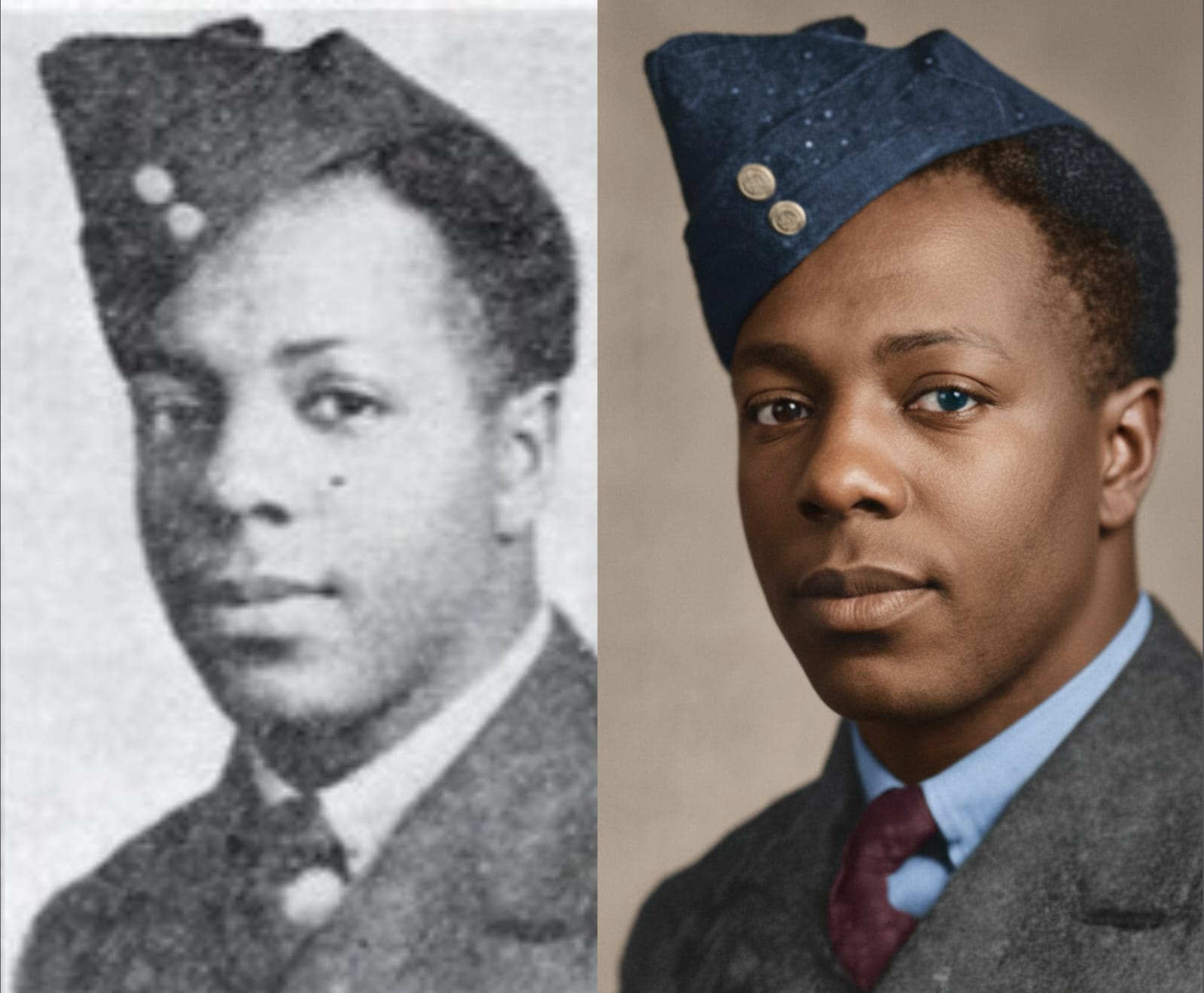
At the core of the initiative is BOYVAULT™ Advanced Visual Reconstruction (AVR), a methodology integrating:
- Archival investigation
- Oral testimony
- Material culture analysis
- Forensic image study
- Museum-standard reconstruction processes
The objective is not reinterpretation, but historically grounded reconstruction: producing durable, future-readable visual records from fragmented, deteriorated, or incomplete sources.
The focus addresses what Pepano identifies as the “silent century”—migrant laborers, Indigenous stewards, working-class builders, diasporic communities, and queer or trans masculine histories that remain structurally underrepresented in official archives.
Alberta as a Site of Cultural Infrastructure Development
Developed on Treaty 7 territory—the traditional lands of the Niitsitapi (Blackfoot Confederacy: Siksika, Kainai, Piikani), the Tsuut’ina Nation, the Iyarhe Nakoda Nations, and the Métis Nation of Alberta, Region 3—BOYVAULT™ situates its work within Alberta’s cultural landscape while contributing to international preservation discourse.
This stage does not represent a completed institution. It represents system design: establishing standards, refining reconstruction protocols, and structuring a vault framework intended for long-term accessibility and institutional relevance.
As UNESCO has framed cultural heritage as a “common good” in the digital era, BOYVAULT™ advances a model in which visual reconstruction functions as preservation infrastructure—ensuring that archival gaps do not solidify into permanent erasure.
Why This Work Matters Now
Rapid technological change has accelerated both access and loss. Communities without durable preservation frameworks risk remaining absent from formal archives.
By advancing a structured institutional model focused on masculine anthropology—an area rarely formalized within visual heritage systems—BOYVAULT™ reframes preservation as architecture rather than presentation. Representation, in this model, is structural.
If realized at full scale, the framework would:
- Expand representational equity within Canadian archives
- Provide educational institutions with rigorously reconstructed historical materials
- Establish preservation standards for complex or damaged visual sources
- Position Alberta within global conversations on heritage infrastructure
At present, the work remains in development. Its significance lies not in scale achieved, but in the design of a system intended to ensure that those who built communities, industries, and nations are no longer left outside the visual record.
Any personal information provided in a request to post a listing on the AFA newsfeed, or in the listing itself, will be used for the purpose of posting to the AFA’s newsfeed, administering the AFA’s website and providing individuals and organizations with information on AFA programs and events. Such information is collected under the authority of section 33 (c) of the Freedom of Information and Protection of Privacy Act and is protected by the privacy provisions of the Act. Should you have any questions about the collection of this information, you may contact Aaron Talbot, Arts Services Consultant – Communications, at 780-289-3781.